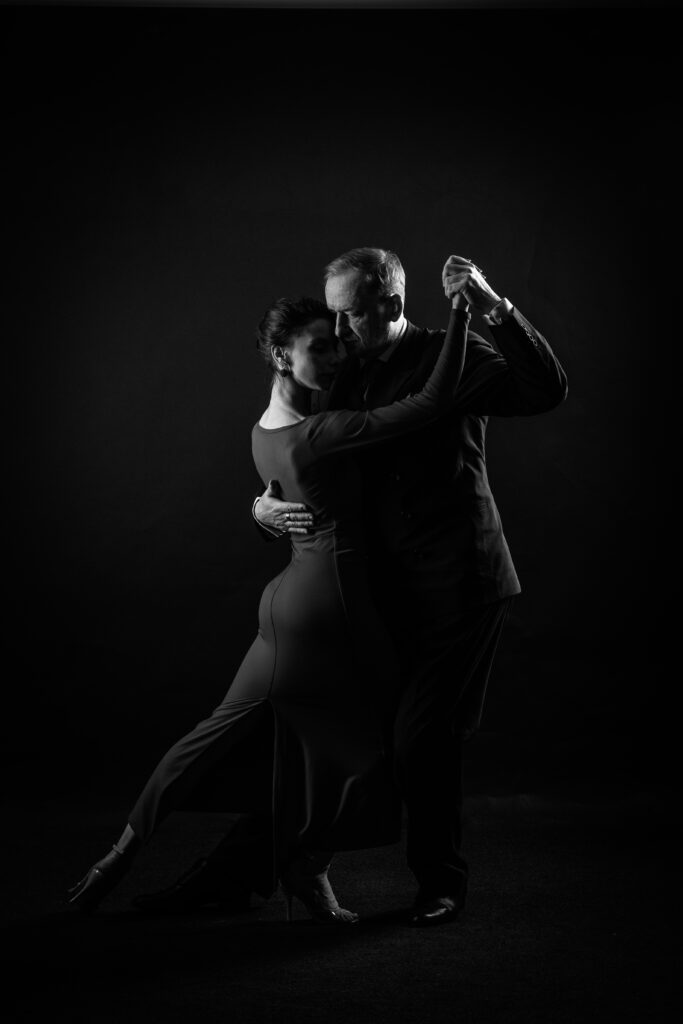
Click here to find all events on our Facebook page
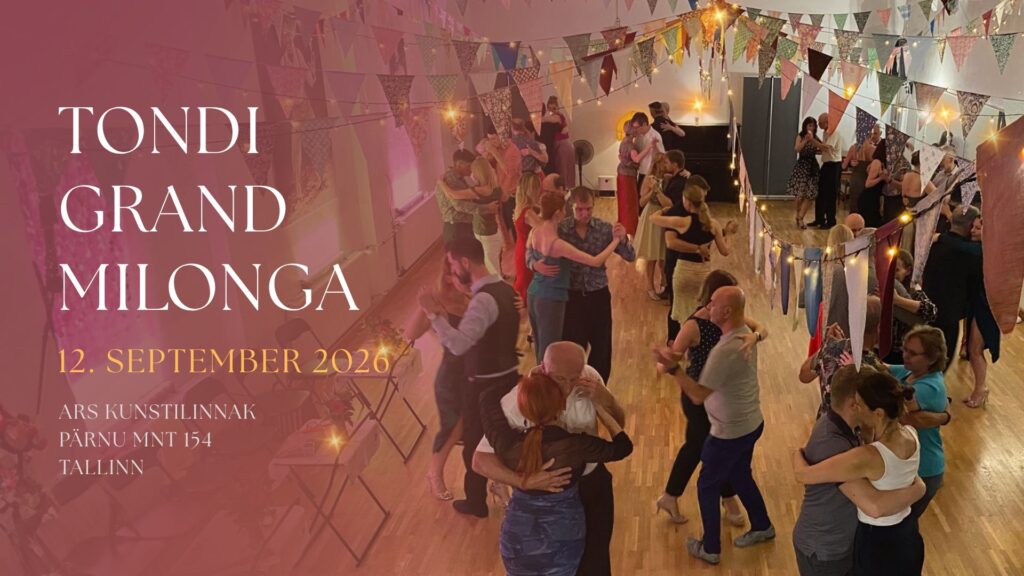
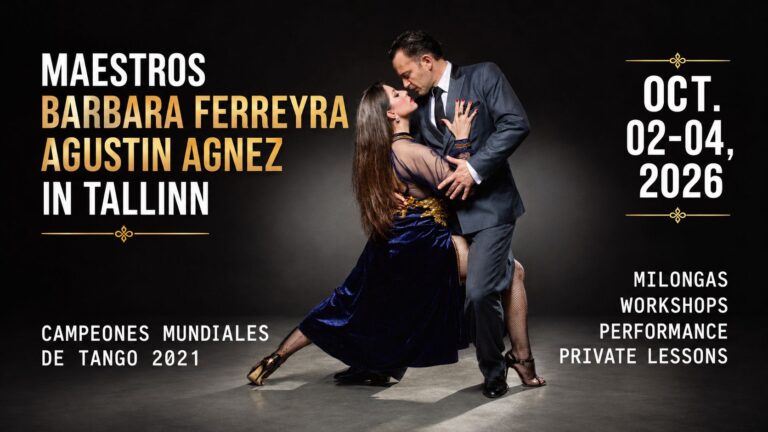
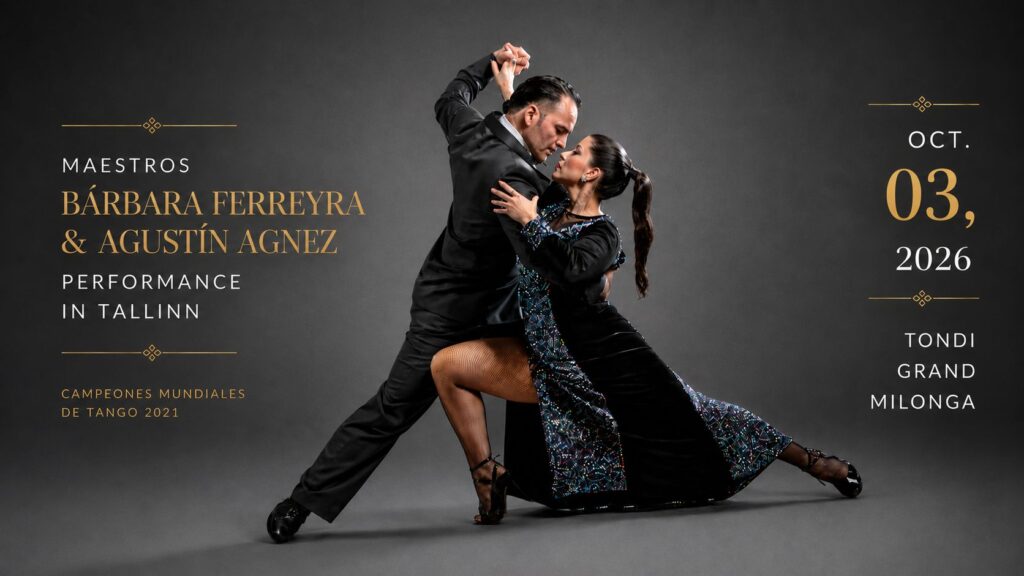
Click here to add the event to your calendar.
Click here to add the event to your calendar.
Click here to add the event to your calendar.
Tango School
At the Tango Center’s tango school, students learn Argentine tango in group classes in Tallinn, Viimsi, Tartu, Pärnu, Viljandi, and Narva, as well as in private lessons and at tango camps throughout Estonia.
Group Classes
Regular tango lessons
- In Tallinn, Viimsi, Tartu, Pärnu, Viljandi, and Narva
- You can participate alone or with your dance partner
Private lessons
To learn more quickly and focus on a specific topic
- Individually or in pairs
- With one teacher or a pair of teachers
Tango camps
How many times a year on weekends throughout Estonia
- Fun meetups in an open and friendly tango community
- Milongas (Argentine Tango Dance Evenings)
- Performances by teachers and masters
- Tango lessons and workshops
- Sharing experiences, socializing, and meeting new friends
Performances
Special performance for the event
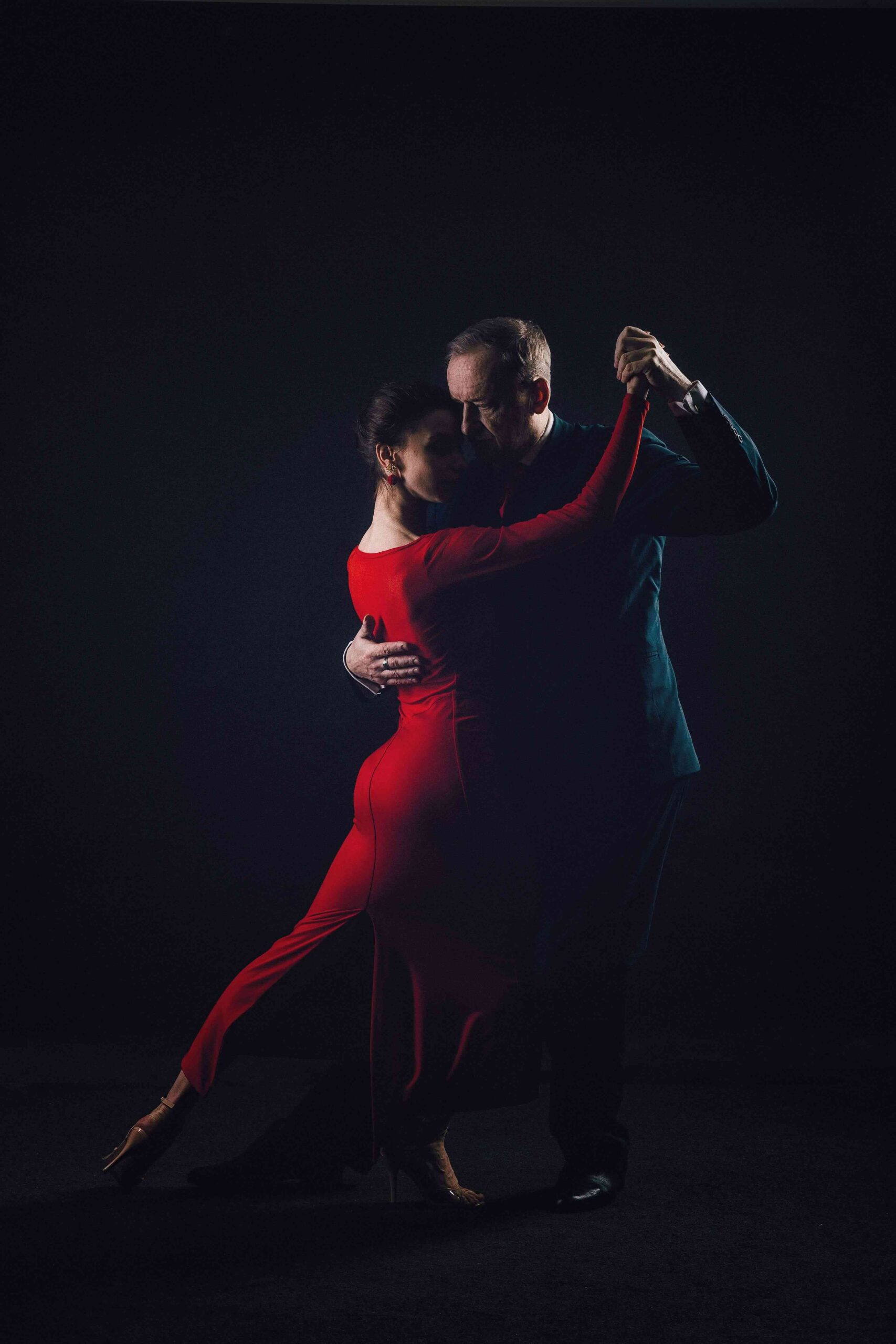
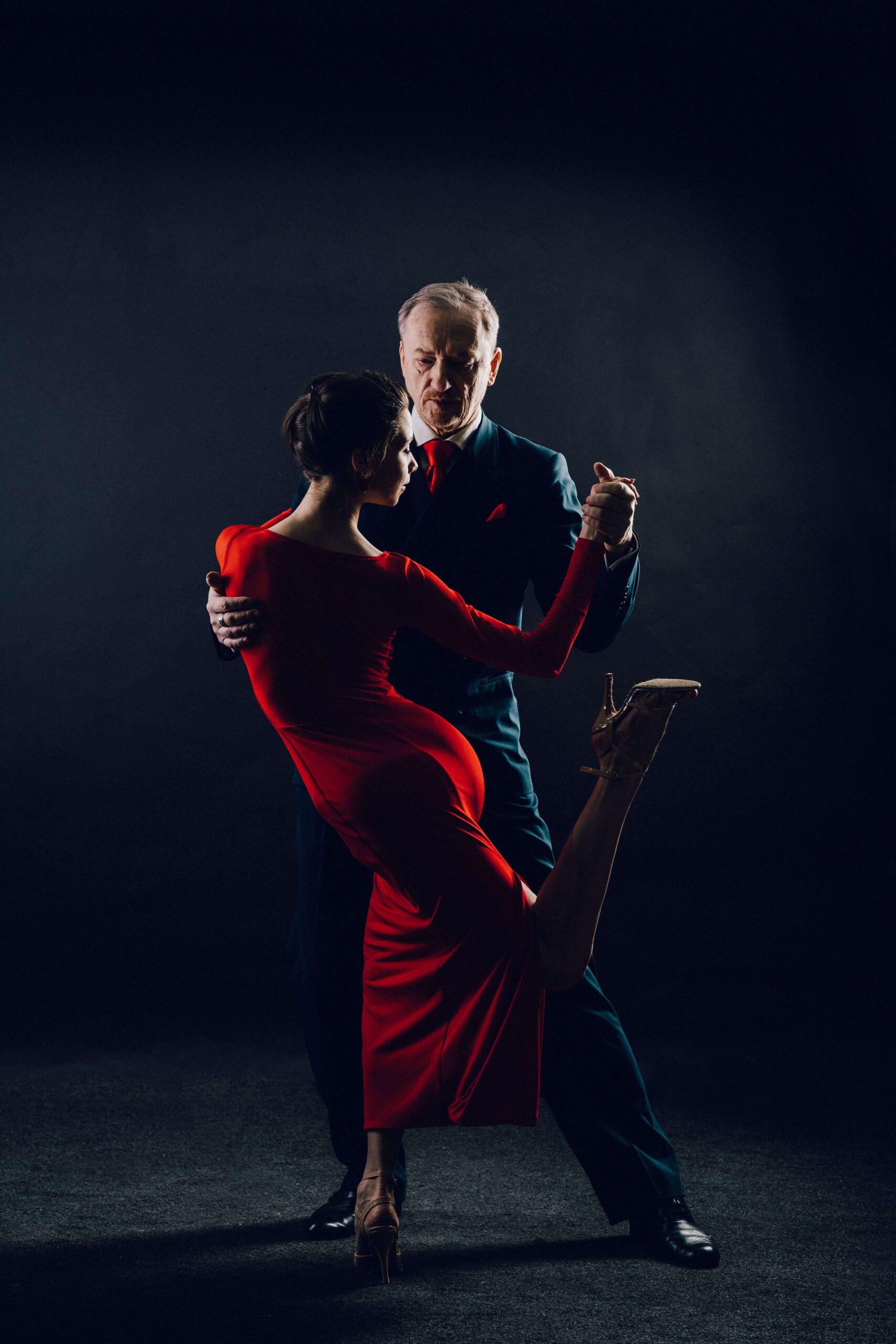
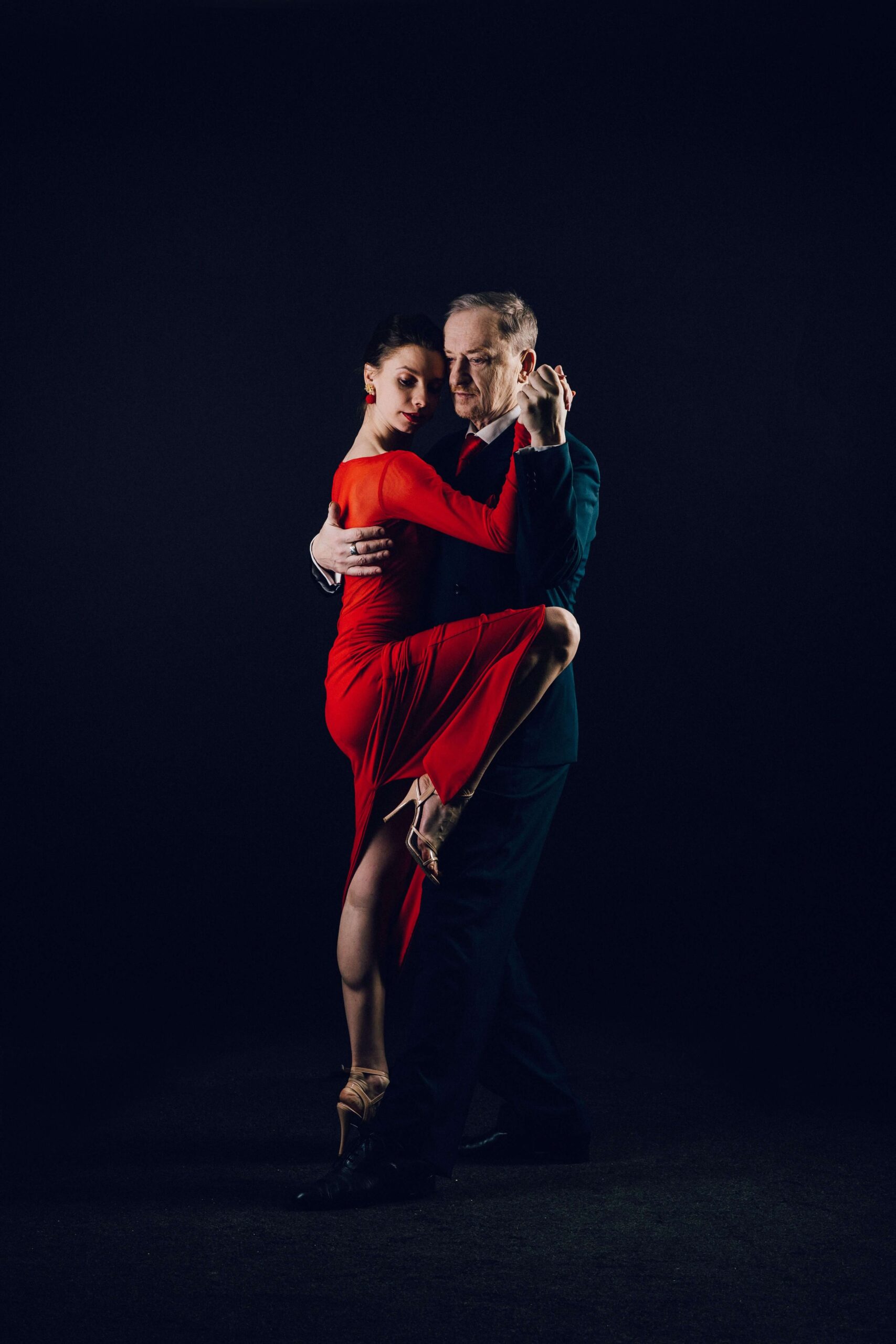
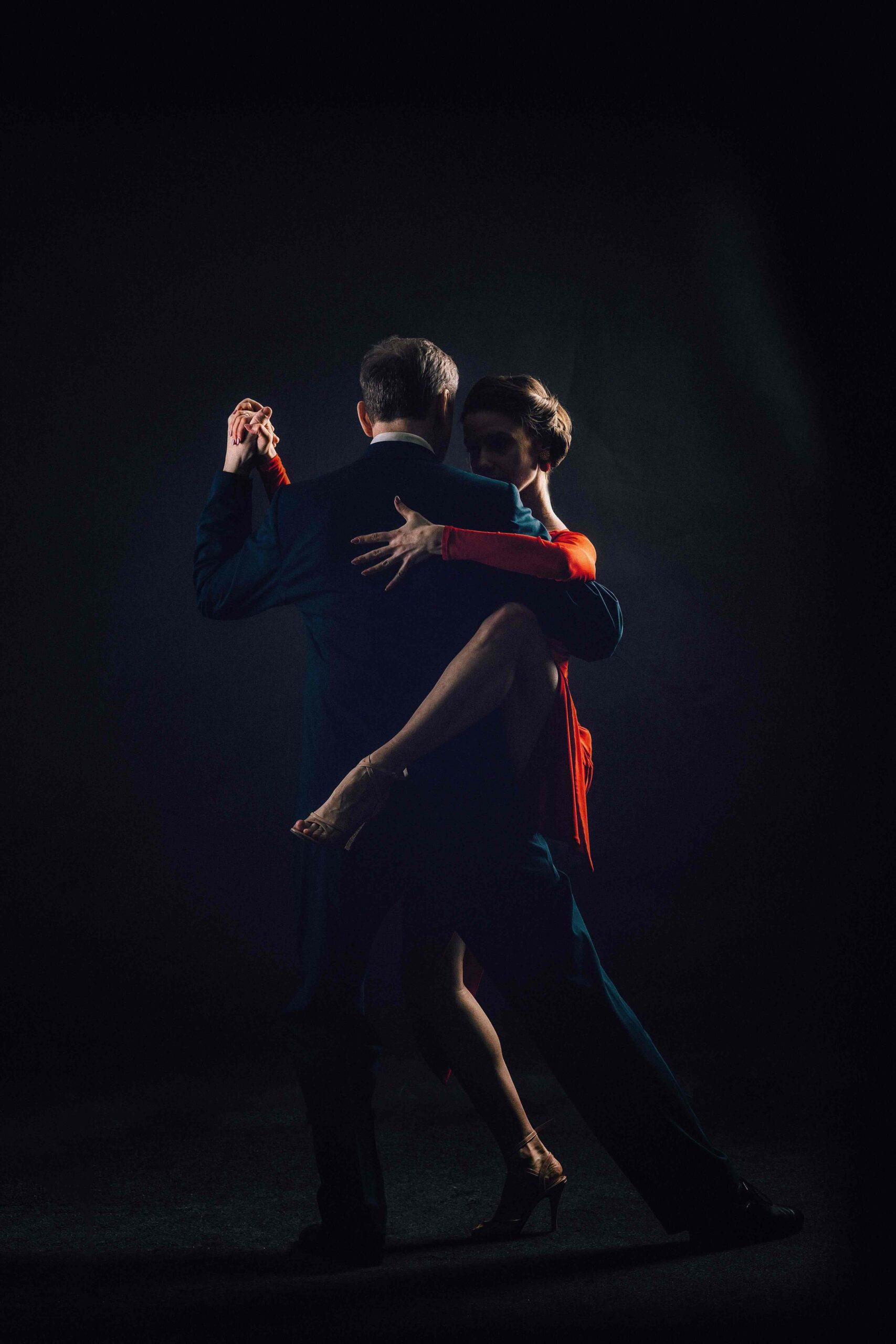
- Argentine tango performances are spectacular and captivating, creating a magical atmosphere for any event.
- The dance center instructors are professional and experienced performers.
- Performances with varied tango music and moods; passionate tango, romantic tango waltz, and joyful milonga
Tango Femme
Argentine tango for women only
- Developing femininity and self-confidence through dance
- Learning tango elements
- Learning women's tango technique and embellishments
- Opportunity to participate in Tango Femme dance projects
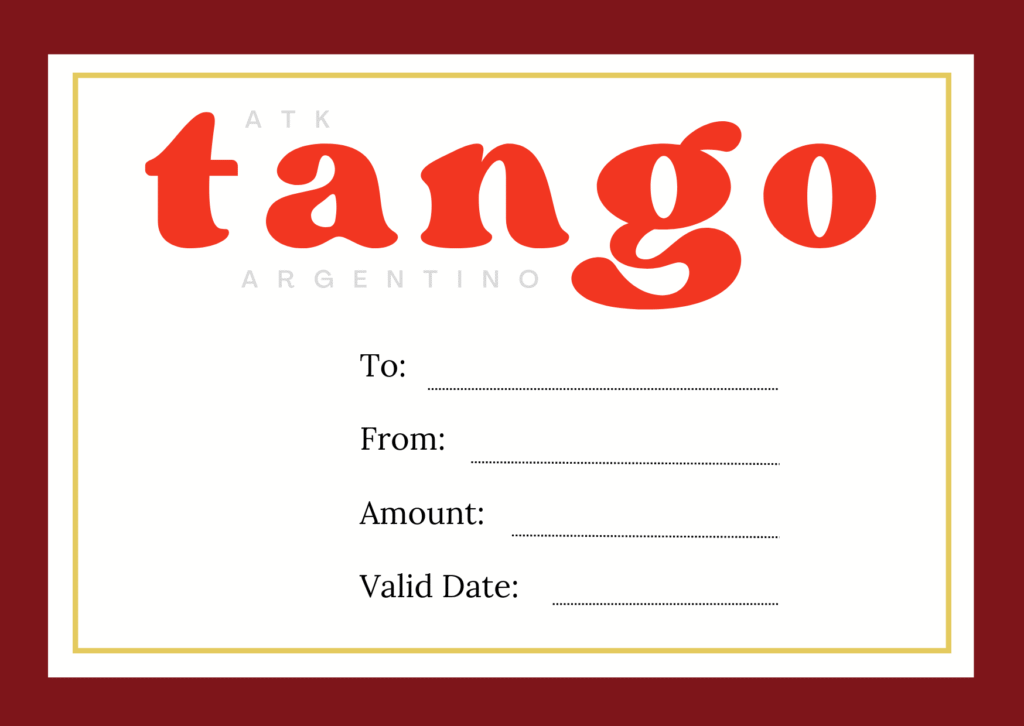
Gift Cards
If you want to give something special
- Argentine tango for group classes, private lessons, or events
- Freely chosen value
- With the giver's name or anonymously


Schedule - Argentine Tango Group Classes
Tallinn-thursdays ahtri 12
- Thursdays: Beginners 18:00–19:00, followed by 30 minutes of practice time (práctica).
- Thursdays at 7.30PM - 8.30PM, 30min practice before class. Starting 3. Sept 2026.
- WTCT, Ahtri St 12, 3rd floor, room 310 (doorbell no. 73)
- Maria Zujeva - Ilmari Mäng
- Monthly course fee (4 classes): 1 class per week – €60, 2 classes per week (at Ahtri, Kopli, or Viimsi) – €90 (discounted rate for couples: €80 per person). First course discount: When registering together as a couple, one partner receives a 50% discount on the monthly fee. Single class: €20. First trial class: €5
- Payment can be made on site by card and cash or by bank transfer (account details can be found here).
Tallinn-Fridays Kopli 25
- Fridays from 18:30 to 20:00, starting 4. September 2026.
- Bachata Studio, Kopli 25
- Kairi Kaarlaid - Ilmari Mäng
- Monthly course fee (4 classes): 1 class per week – €60, 2 classes per week (at Ahtri, Kopli, or Viimsi) – €90 (discounted rate for couples: €80 per person). First course discount: When registering together as a couple, one partner receives a 50% discount on the monthly fee. Single class: €20. First trial class: €5
- Payment can be made on site by card and cash or by bank transfer (account details can be found here).
Viimsi-Saturdays Forus Sports Centre
- Saturdays at 3PM-4.30 PM, starting 5. Sept 2026.
- Viimsi Forus Sports Center, Karulaugu tee 13
- Merle Rätsep-Mäng - Ilmari Mäng
- Monthly course fee (4 classes): 1 class per week – €60, 2 classes per week (at Ahtri, Kopli, or Viimsi) – €90 (discounted rate for couples: €80 per person). First course discount: When registering together as a couple, one partner receives a 50% discount on the monthly fee. Single class: €20. First trial class: €5
- Payment can be made on site by card and cash or by bank transfer (account details can be found here).
Tallinn Folk High School
- Maria Zujeva Tango Femme
- 8. Sept – 15. Dec 2026, Tuesdays at 6.30PM–8PM.
- Maria Zujeva & Mauro Alejandro Mol basics for couples
- 9. Sept – 16. Dec 2026, Wednesdays at 7.30PM–9PM
- Rahvaülikool, Vene 6.
Pärnu - All levels
- Sundays at 2-3PM (beginners), 3.30-4.30 PM (advanced), beginning 6. Sept 2026.
- JR Dance Studio, Hommiku 3
- Tiina Suur - Ilmari Mäng
- Monthly course fee (4 classes): 1 class per week – €50 2 classes per week – €75 (special rate for couples: €65 per person). First-month special offer: When registering together as a couple, your partner receives 50% off the first month’s course fee. Single class: €15. First trial class: €5.
- Payment can be made on site by card and cash or by bank transfer (account details can be found here).
Viljandi-All Levels
- Sundays at 6.30-7.30 PM (beginners), 8-9 PM (advanced), beginning 6. Sept 2026.
- Dance Zone, Lossi Street 15
- Piret Tšulkovski - Ilmari Mäng
- Monthly course fee (4 classes): 1 class per week – €50 2 classes per week – €75 (special rate for couples: €65 per person). First-month special offer: When registering together as a couple, your partner receives 50% off the first month’s course fee. Single class: €15. First trial class: €5.
- Payment can be made on site by card and cash or by bank transfer (account details can be found here).
Tartu-Mondays
- Mondays: Beginners from 18:00 to 19:00.
- Mondays: Advanced from 19:30 to 20:30.
- 30 minutes of practice time (práctica) between classes.
- Forselius School, Tähe 103
- Signe Mällo - Ilmari Mäng
- Monthly course fee (4 classes): 1 class per week – €50 2 classes per week – €75 (special rate for couples: €65 per person) 3 classes per week – €90 (special rate for couples: €80 per person). First-month special offer: When registering together as a couple, your partner receives 50% off the first month’s course fee. Single class: €15. First trial class: €5.
- Payment can be made on site by card and cash or by bank transfer (account details can be found here).
Tartu-Wednesdays
- Wednesdays: Beginners from 18:00 to 19:00.
- Wednesdays: Advanced from 19:30 to 20:30.
- 30 minutes of practice time (práctica) between classes.
- Forselius School, Tähe 103
- Signe Mällo - Ilmari Mäng
- Monthly course fee (4 classes): 1 class per week – €50 2 classes per week – €75 (special rate for couples: €65 per person) 3 classes per week – €90 (special rate for couples: €80 per person). First-month special offer: When registering together as a couple, your partner receives 50% off the first month’s course fee. Single class: €15. First trial class: €5.
- Payment can be made on site by card and cash or by bank transfer (account details can be found here).
Narva - All Levels
- Tuesdays at 6-7 PM (beginners), at 7.30-8.30 (advanced), beginning 8. Sept 2026.
- Anna Nikolaeva - Ilmari Mäng
- Thursdays at 5.30-6.45 PM
- Anna Nikolaeva
- Vabaduse 20, Narva
- Monthly course fee (4 classes): 1 class per week – €45 2 classes per week – €75 (special rate for couples: €65 per person). First-month special offer: When registering together as a couple, your partner receives 50% off the first month’s course fee. Single class: €15. First trial class: €5.
- Payment can be made on site by card and cash or by bank transfer (account details can be found here).
Argentine Tango Center
The Argentine Tango Center brings together tango enthusiasts and promotes classical Argentine tango in Estonia. The Center was founded and is led by Ilmari Mäng, who was among the first people to start dancing Argentine tango in Estonia in 2006. At the Center’s tango school, you can learn tango in five cities across Estonia. Several times a year, the Center also organizes tango camps, offering an opportunity to focus intensively on learning tango and to meet fellow tango enthusiasts from all over Estonia and beyond. Ilmari has invited numerous tango maestros to Estonia to teach at tango camps and workshops and to bring top-level Argentine tango to Estonia through their performances. At Ilmari’s invitation, Estonia has welcomed Carla Marano, Omar Quiroga and Veronica Palacios, Sebastian Jimenez and Karina Lilu Dovbush, Yanina Muzyka and Emmanuel Casal, and Barbara Ferreyra and Agustin Agnez.
Classic Argentine Tango
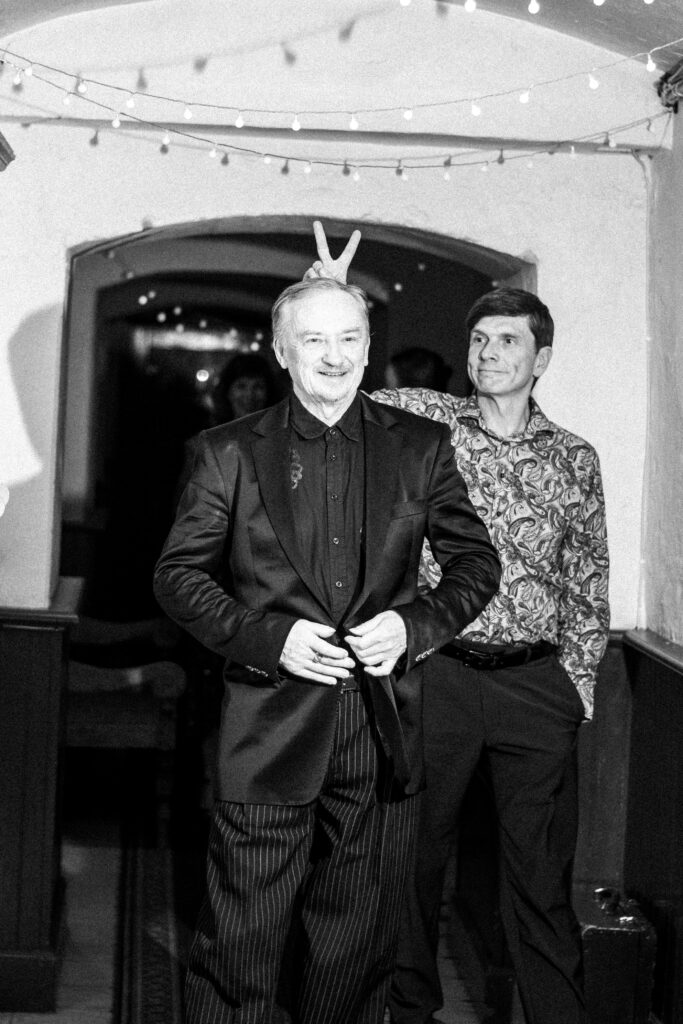
The Argentina Tango Center focuses primarily on classical social Argentine tango (“Tango de Pista”), but also on stage and competitive tango (“Tango Escenario”) and the tango nuevo style. The classical Argentine tango dance style is characterized mainly by:
- Classic Argentine tango music, usually in 2/4 and 4/4 time signatures
- Argentina Tango Golden Age musicians Di Sarli, d'Arienzo, Troilo, and Pugliese
- Classical tango orchestra: usually bandoneon (similar to an accordion), piano, violin, and double bass
- The song lyrics mostly express nostalgia and longing.
- close embrace with a dance partner
- social dance ("Tango de Pista") and improvisation of step combinations, stage dance ("Tango Escenario") has a set choreography
- "Caminata," or tango walk, refined steps and combinations, fewer "volcadas," "colgadas," "ganchos," "sacadas" than in stage tango, and a more experimental Nuevo Tango style.
Gallery
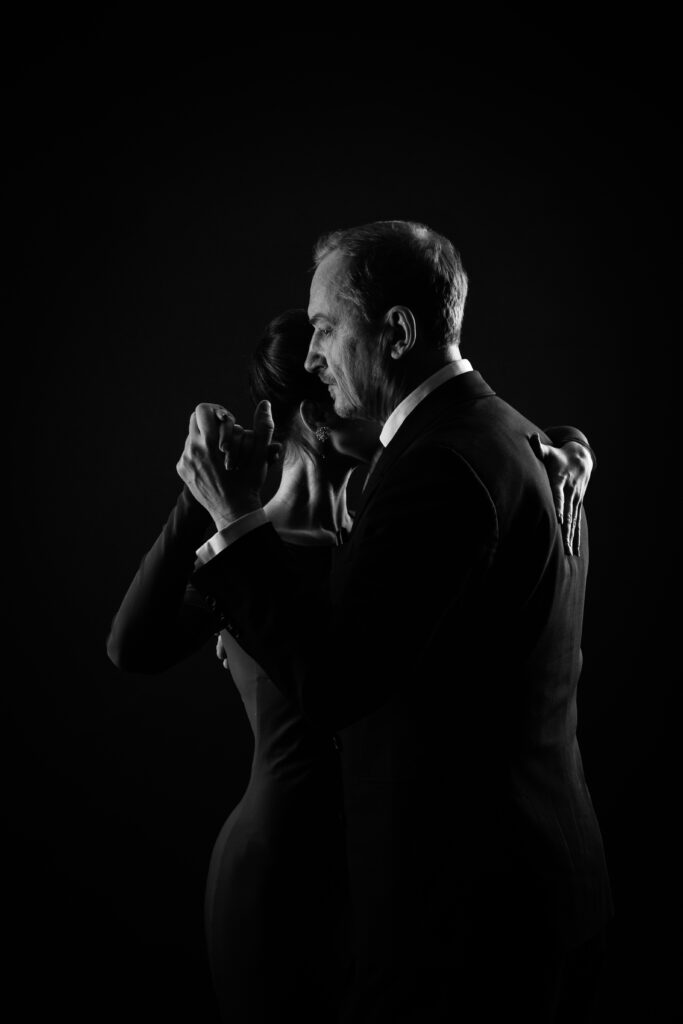
Here you will find impressions and memories from past events at the Tangokeskus and other events in which our people have participated. Thank you to everyone who has saved and shared memories with us!
Photo gallery Olavi Sõna
The following videos: Aleksander Laane Youtube channel, where you can find videos of tango and other events and classes from Estonia’s dance community.
- Maria Zujeva - Ilmari Mäng improvisation in a group lesson 10/3/2024
- Barbara Ferreyra - Agustin Agnez performance in Tartu on 10/19/2024
- Barbara Ferreyra - Agustin Agnez Chacarera Tartus 10/19/2024
- Maria Zujeva - Ilmari Mäng Performance 12/21/2024 in Tartu (Part 1)
- Maria Zujeva - Ilmari Mäng Performance 12/21/2024 in Tartu (Part 2)
- Maria Zujeva - Ilmari Mäng Performance 12.21.2024 in Tartu (Part 3)
- Karina "Lilu" Dovbush - Ilmari Mäng performance in Tallinn on March 15, 2025
- Yanina Muzyka - Emmanuel Casal Performance 06/14/2025 Pürksis (Part 1)
- Yanina Muzyka - Emmanuel Casal Performance 06/14/2025 Pürksis (Part 2)
- Yanina Muzyka - Emmanuel Casal performance 06/14/2025 Pürksis (Part 3)
- Yanina Muzyka - Emmanuel Casal performance 06/14/2025 Pürksis (Part 4)
- Yanina Muzyka - Emmanuel Casal Interview 06/18/2025 Liikval
- Tallinn Tango Trio concert 09/27/2025 in Tartu
- Barbara Ferreyra - Agustin Agnez performance in Tartu 09/27/2025 (Part 1)
- Barbara Ferreyra - Agustin Agnez performance in Tartu on 09/27/2025 (Part 2)
- Barbara Ferreyra - Agustin Agnez performance in Tartu 09/27/2025 (Part 3)
- Barbara Ferreyra - Agustin Agnez performance in Tartu 09/27/2025 (Part 4)
- Karina "Lilu" Dovbush - Ilmari Mäng performance in Tallinn on 02/14/2026 (1st)
- Karina "Lilu" Dovbush - Ilmari Mäng performance in Tallinn on 02/14/2026 (2nd)
- Karina "Lilu" Dovbush - Ilmari Mäng Performance in Tallinn on February 14, 2026 (3rd)
- Maria Zujeva - Ilmari Mäng Jupiter Plus on the show 04/30/2026 (18:27 min)
- Yanina Muzyka - Emmanuel Casal esinemine 20.06.2026 Pürksis (1. osa)
- Yanina Muzyka - Emmanuel Casal esinemine 20.06.2026 Pürksis (2. osa)
- Yanina Muzyka - Emmanuel Casal esinemine 20.06.2026 Pürksis (3. osa)
- Yanina Muzyka - Emmanuel Casal esinemine 20.06.2026 Pürksis (4. osa)
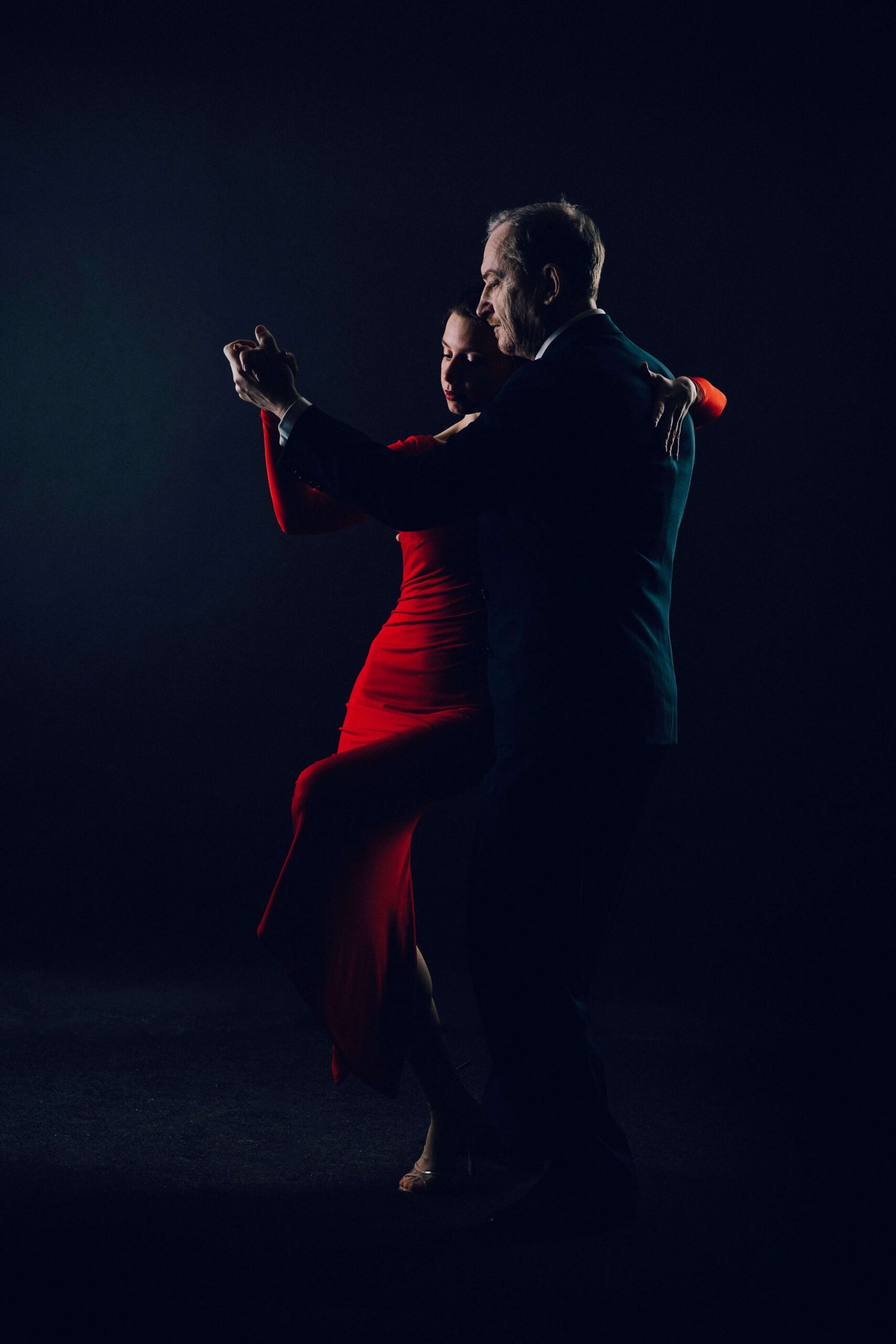
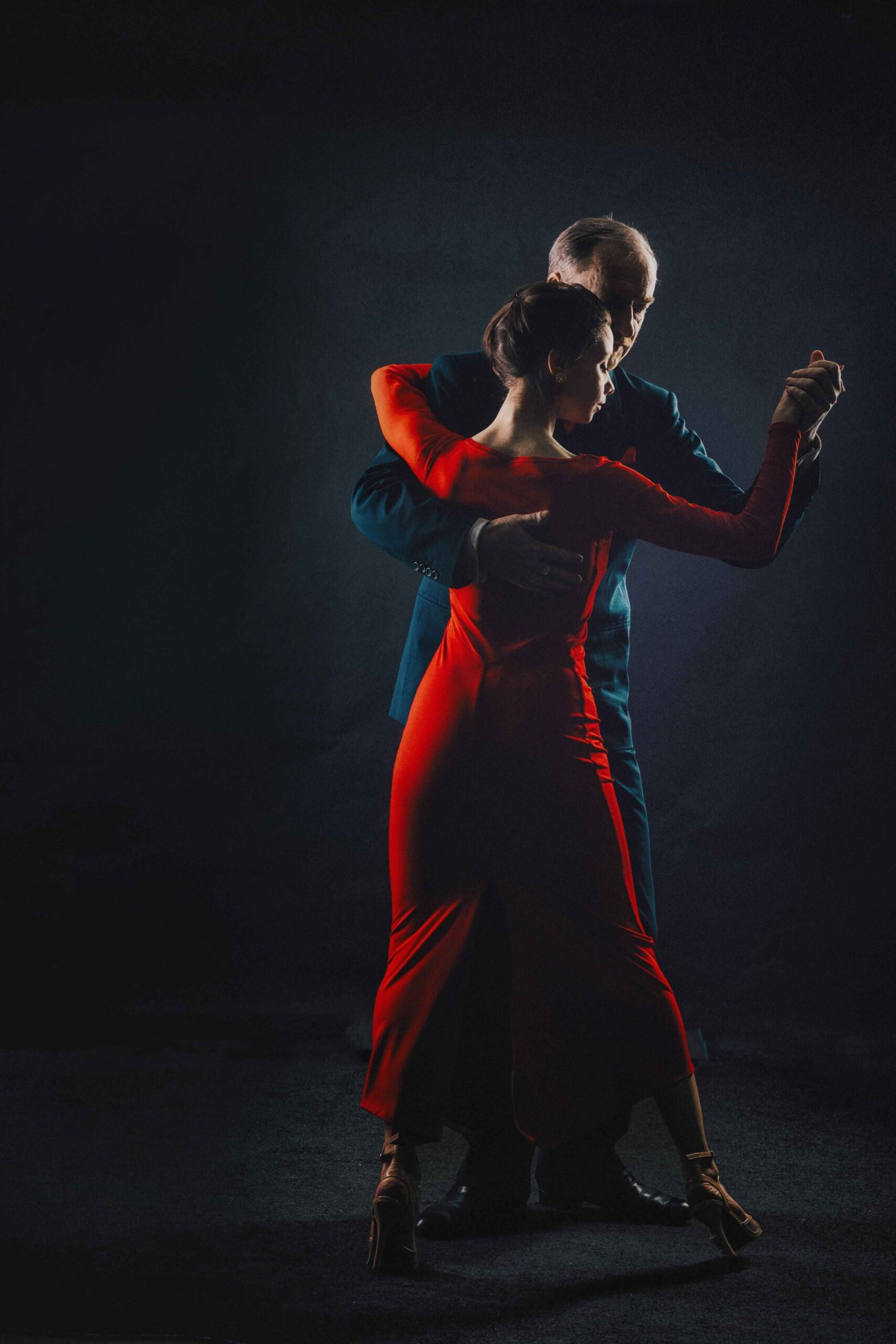
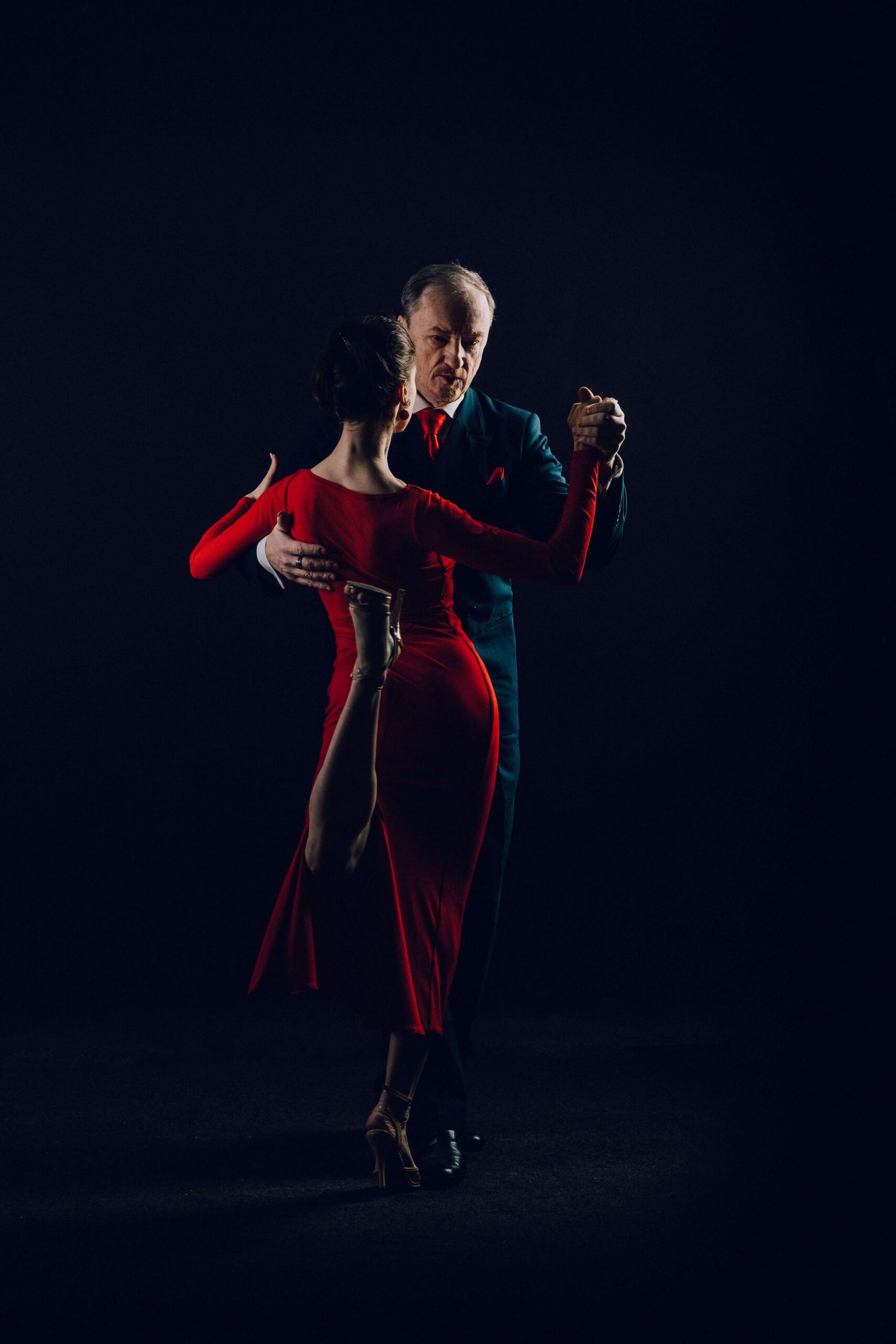
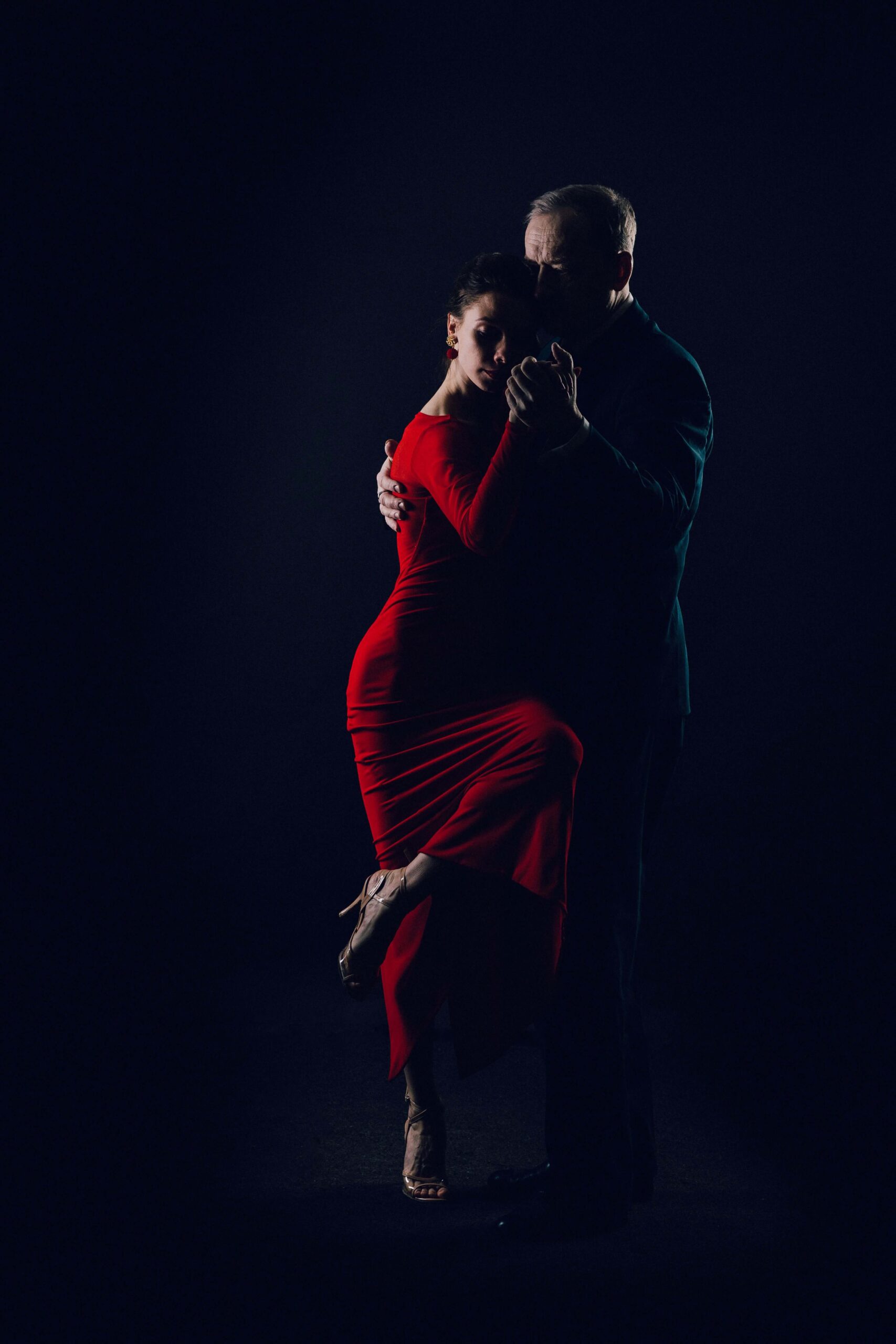
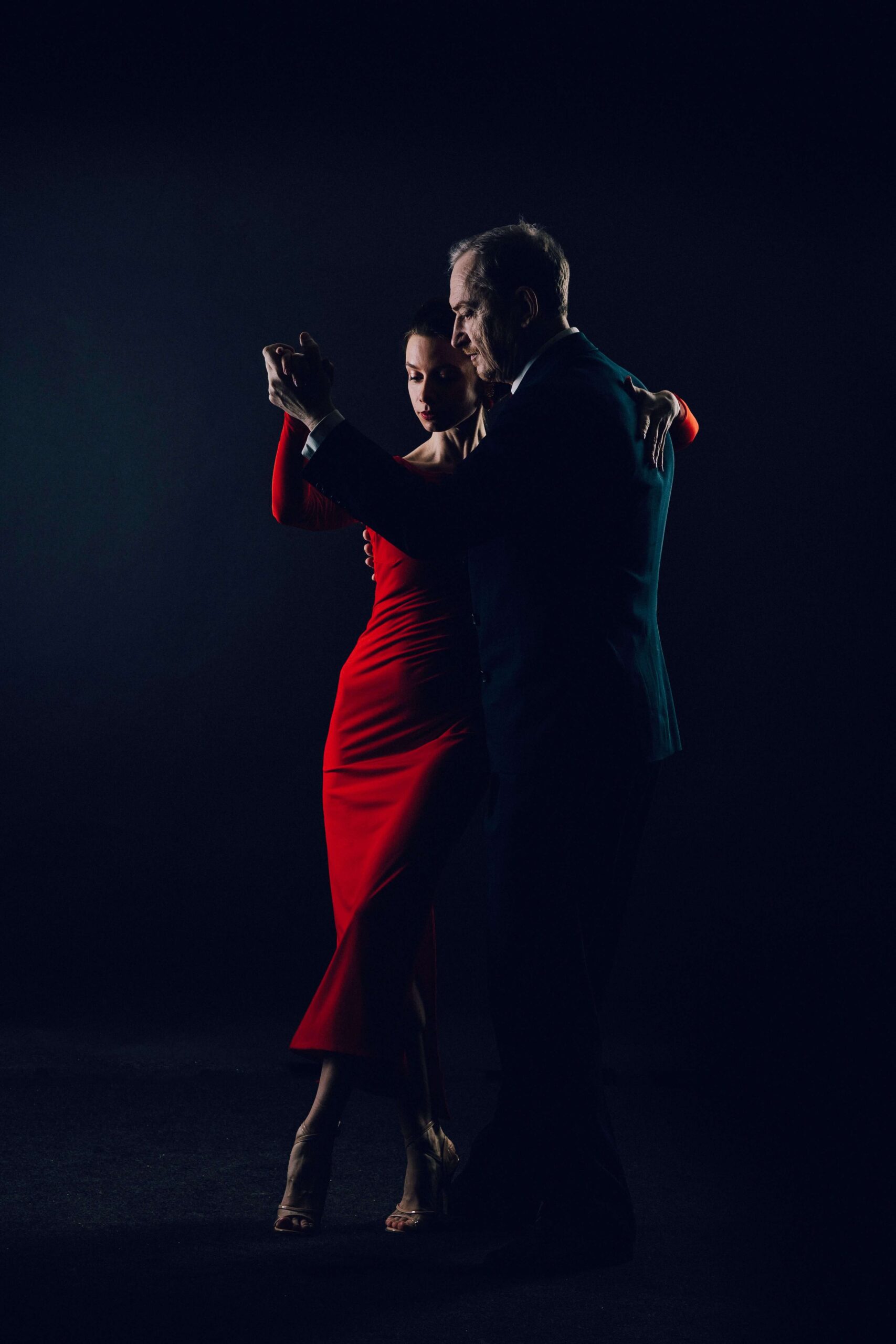
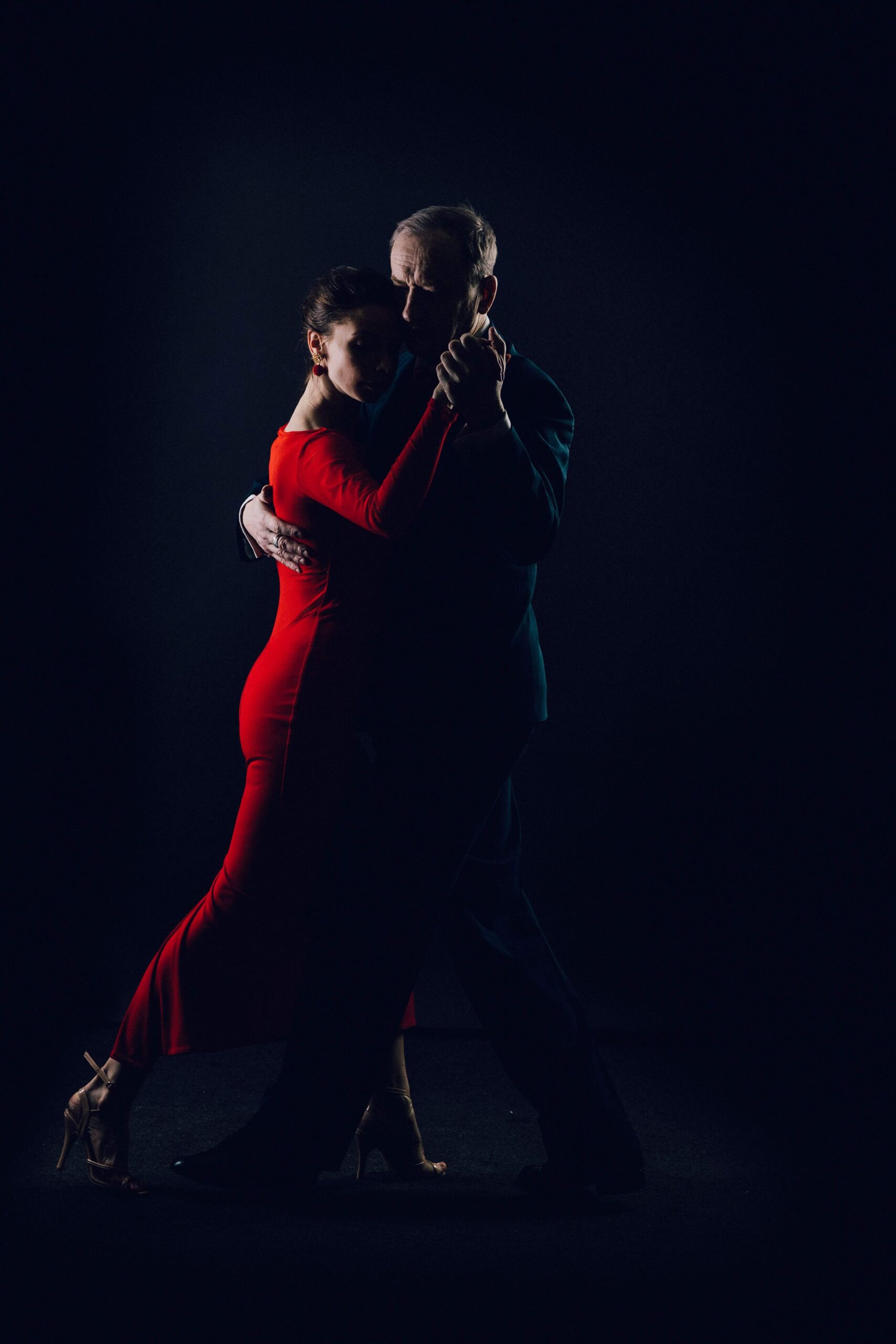
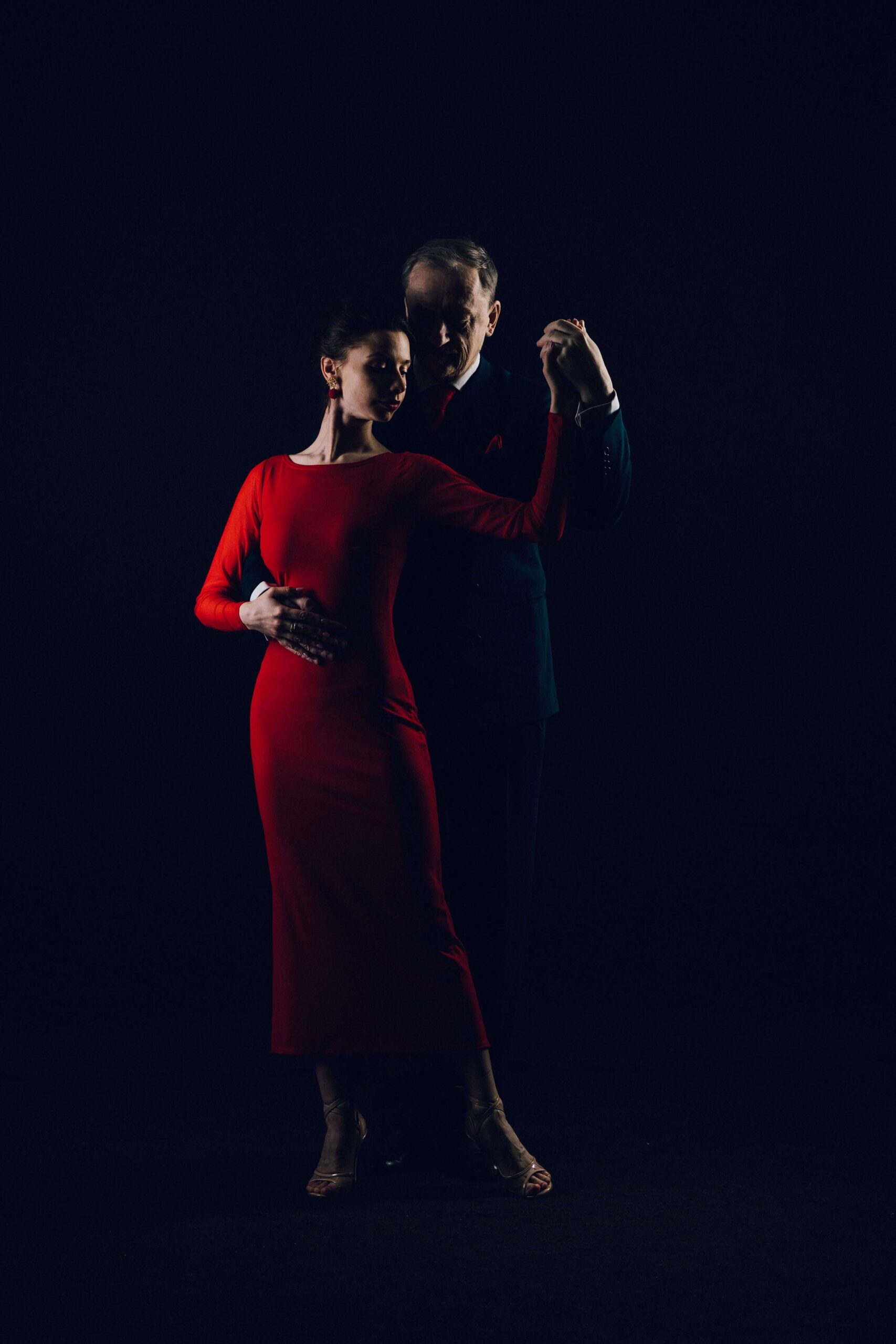
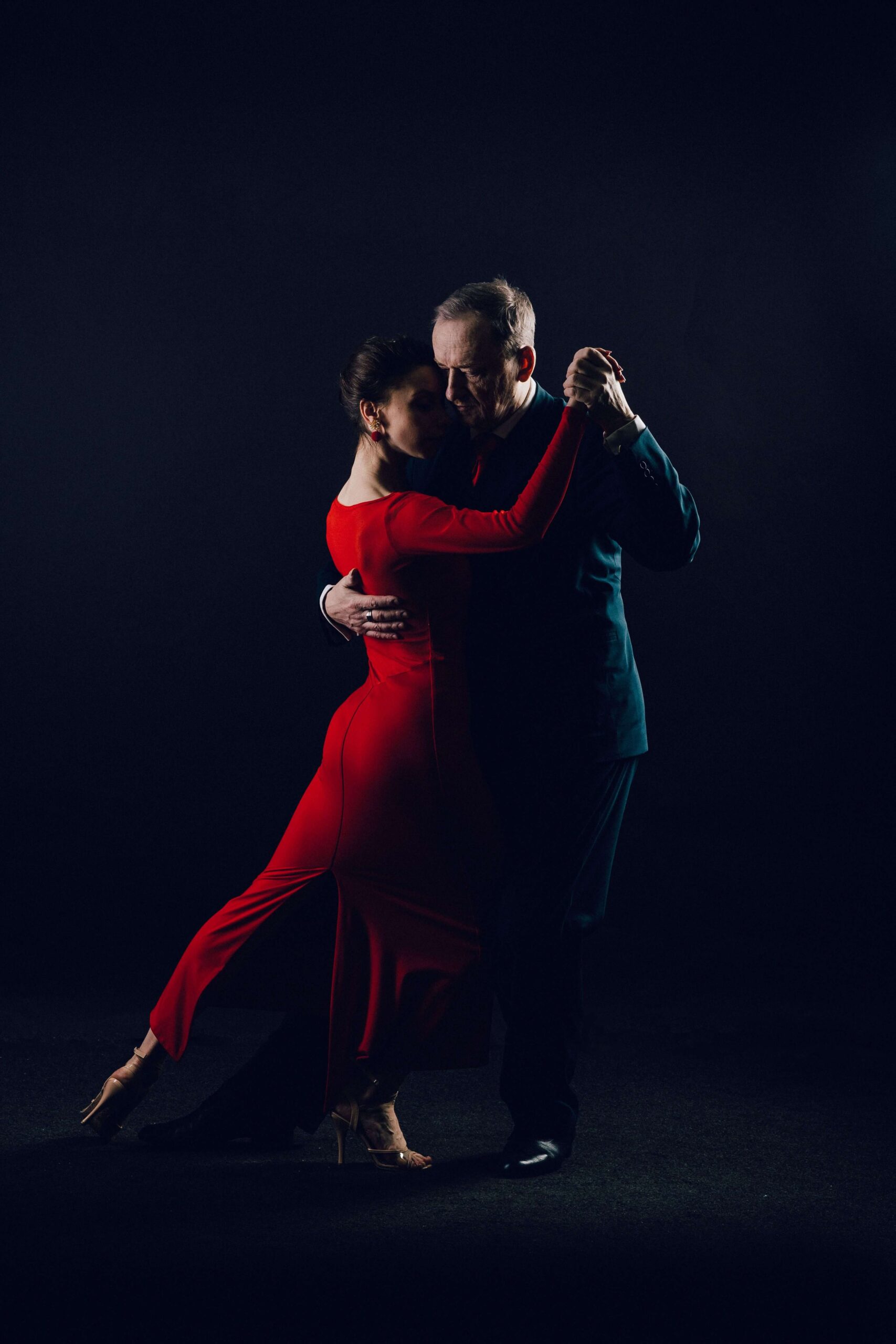

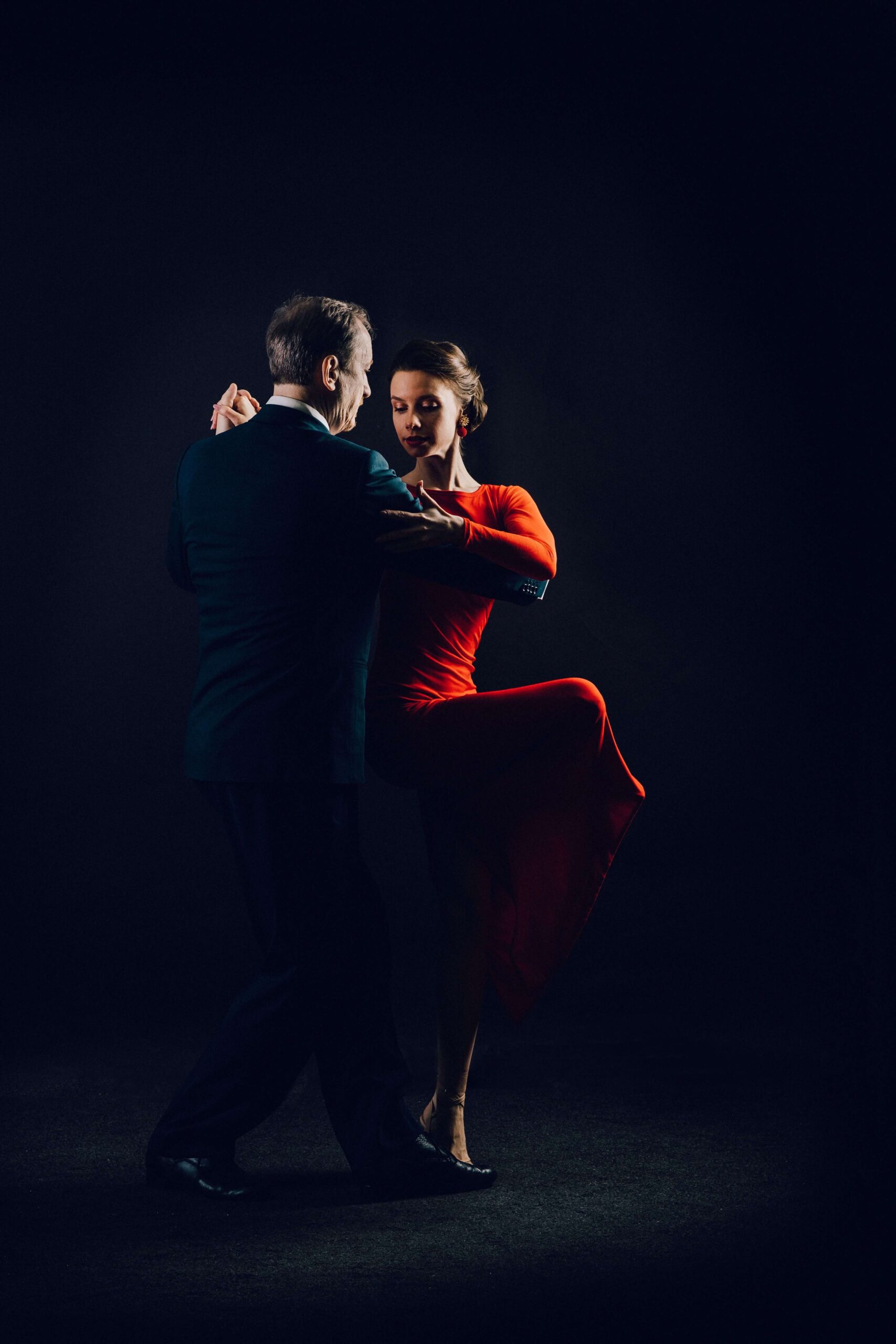
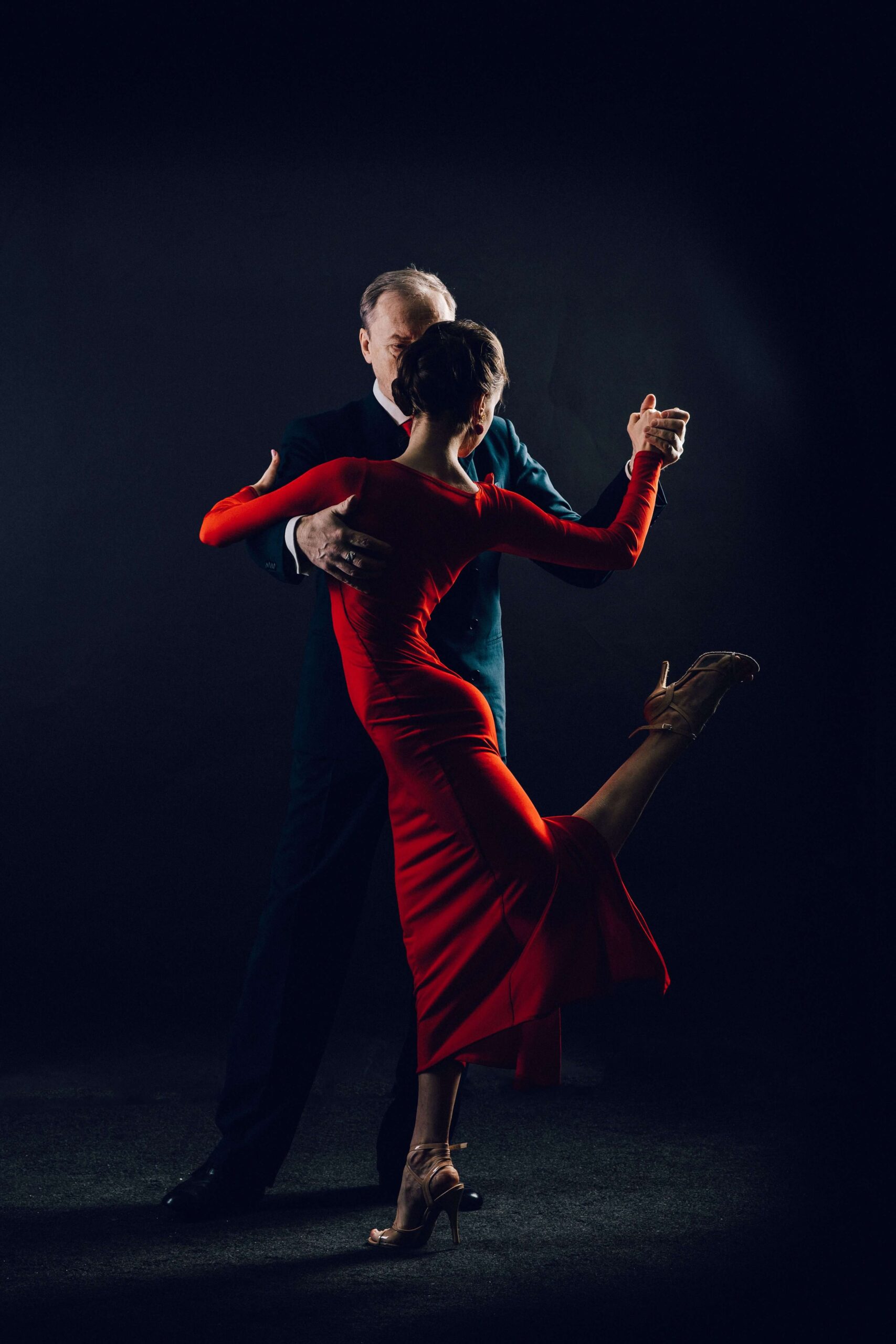
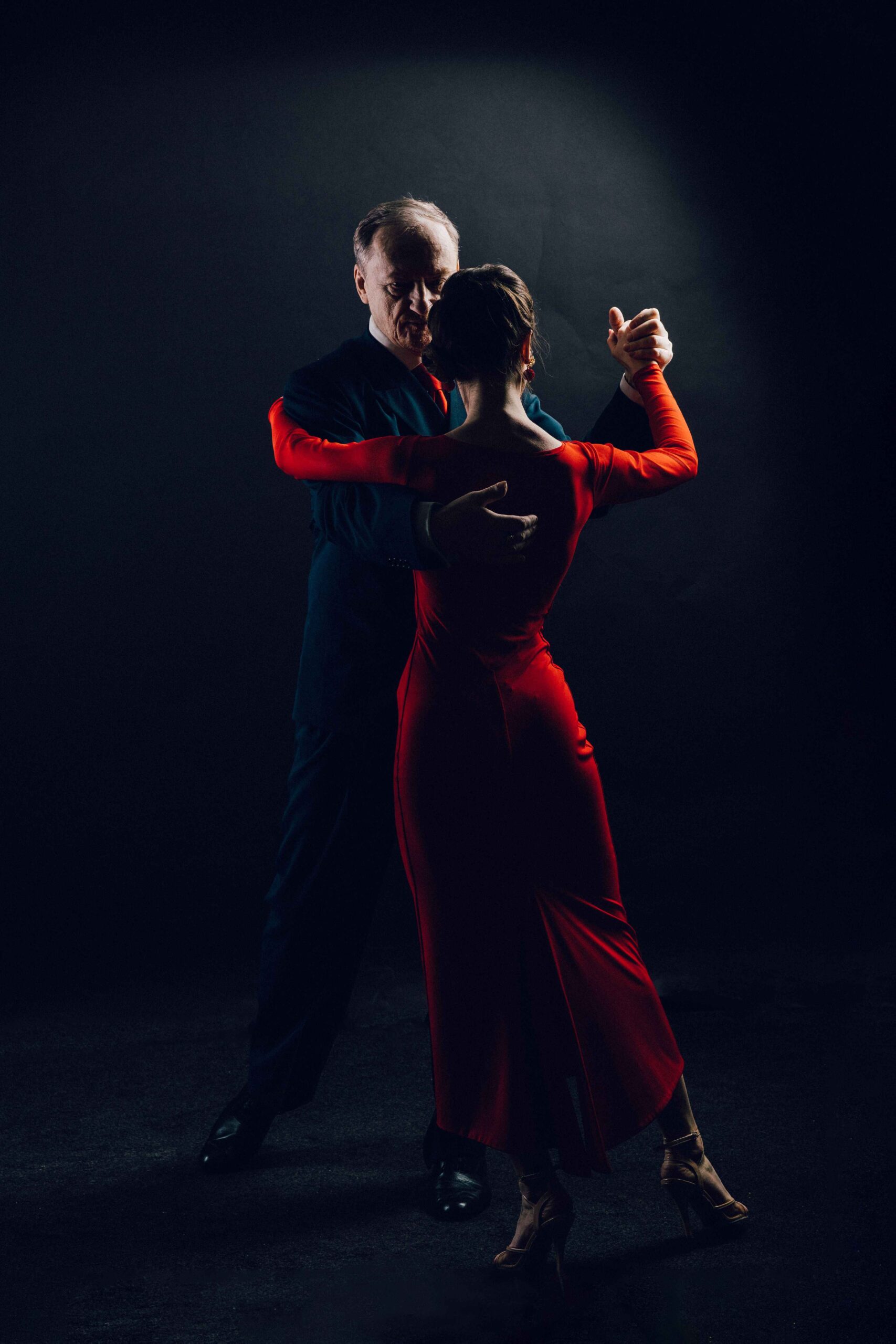
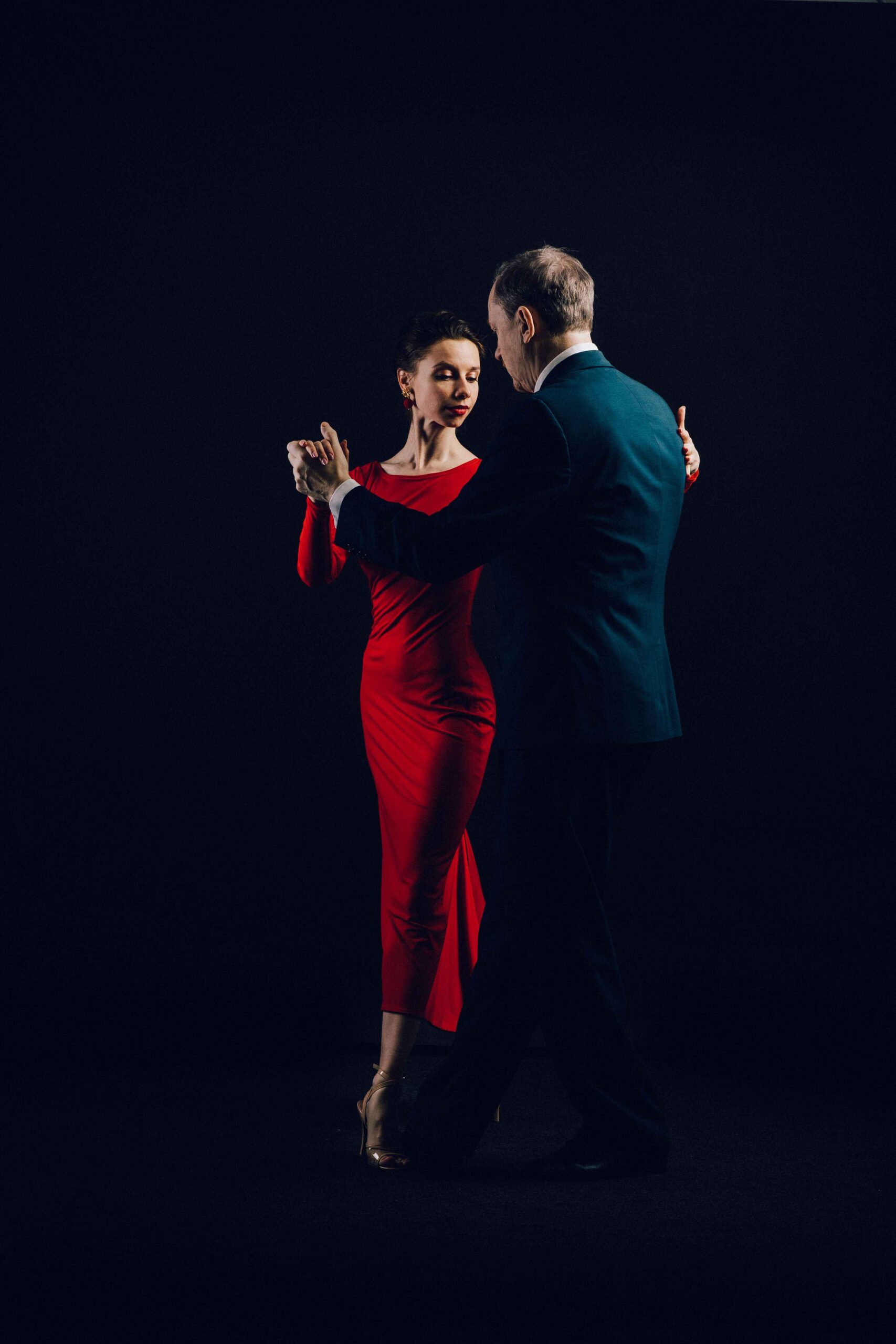
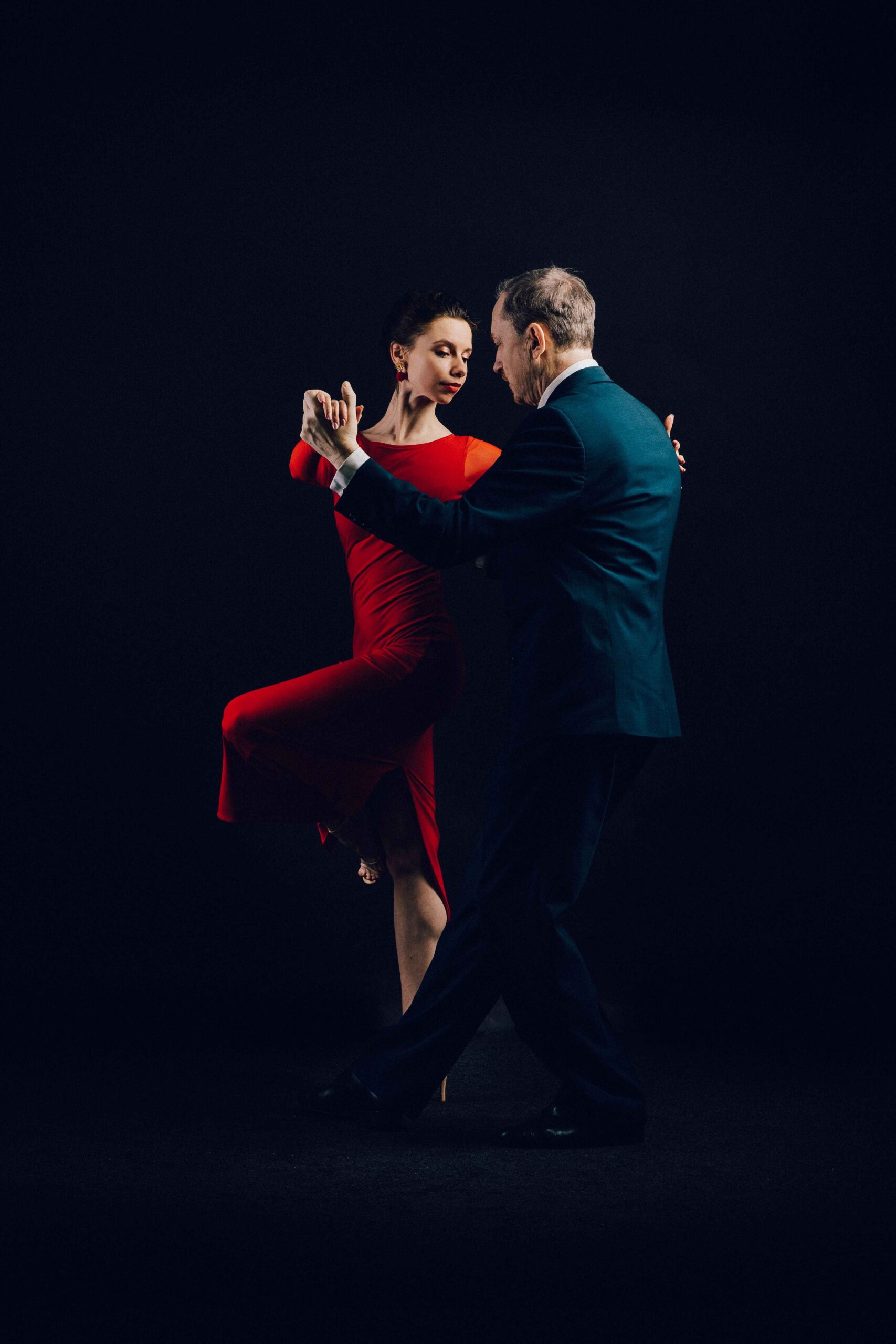
Our people
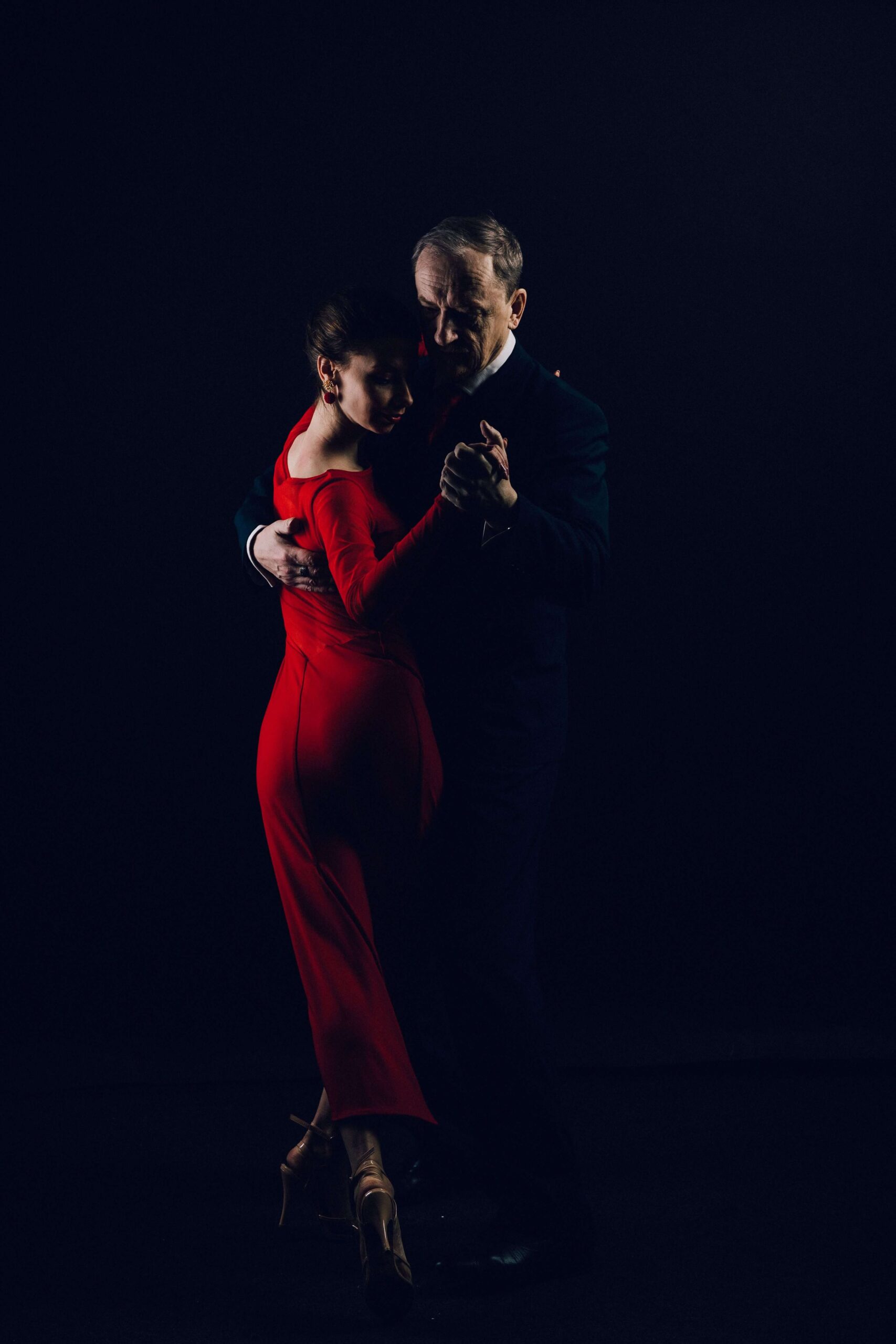
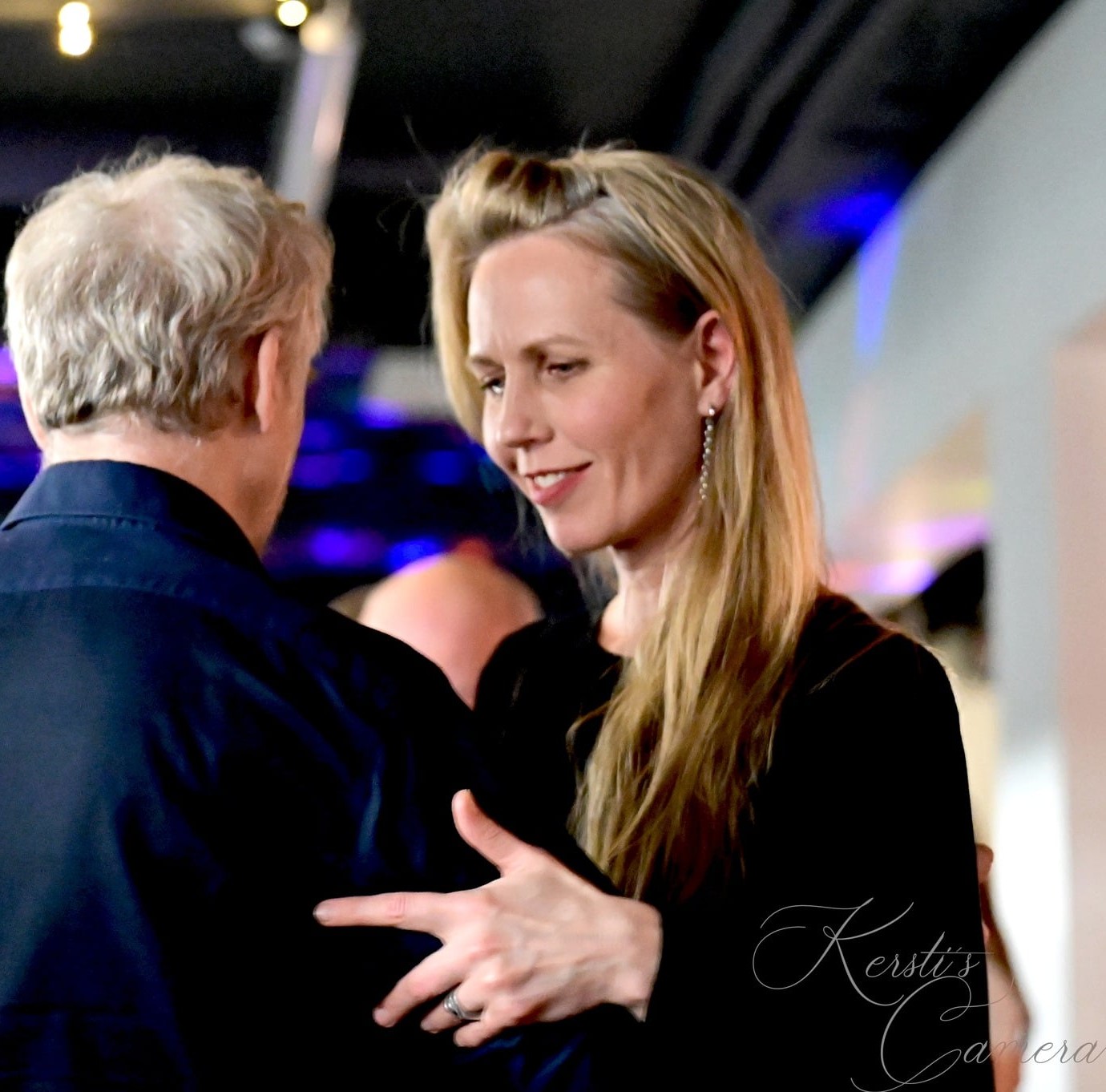
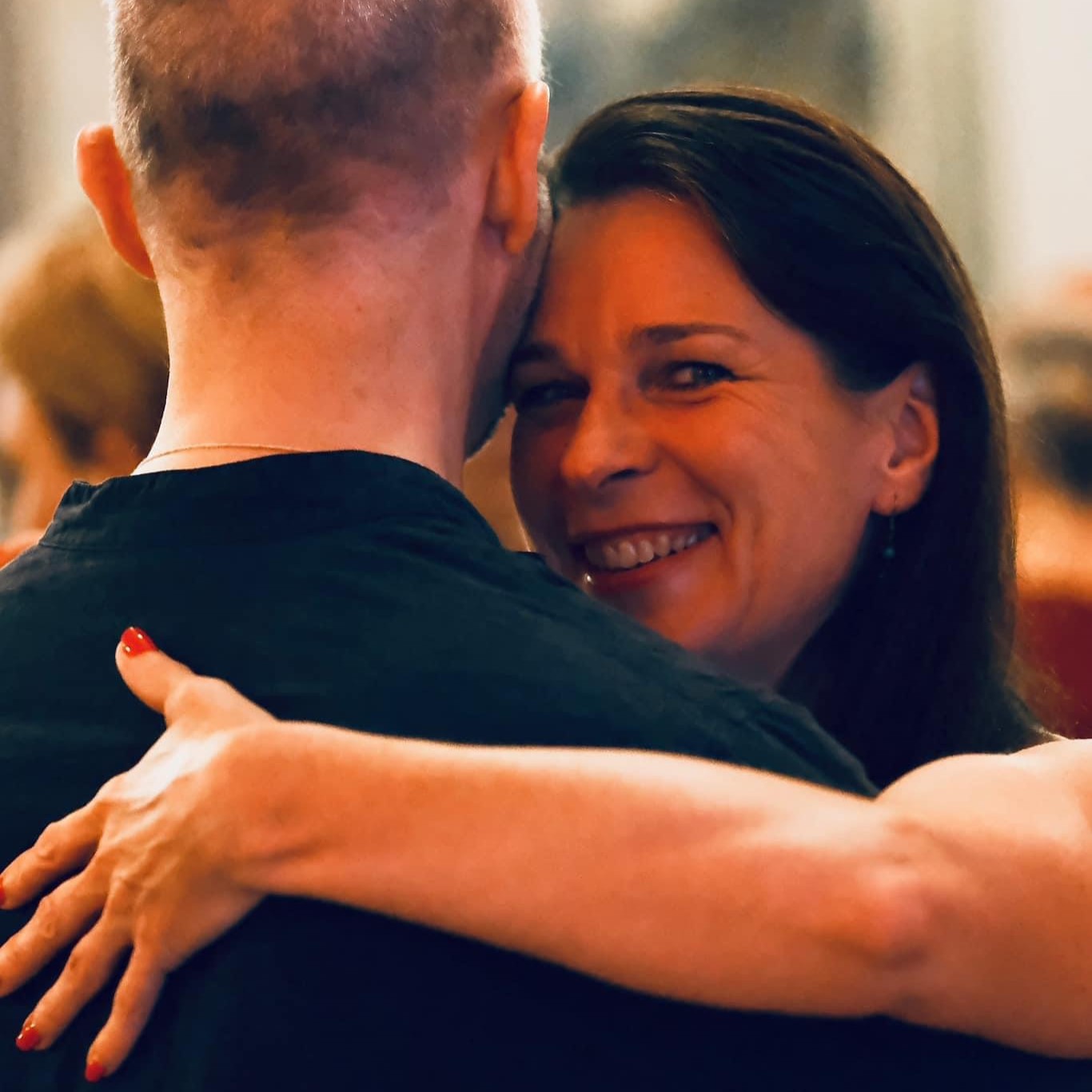
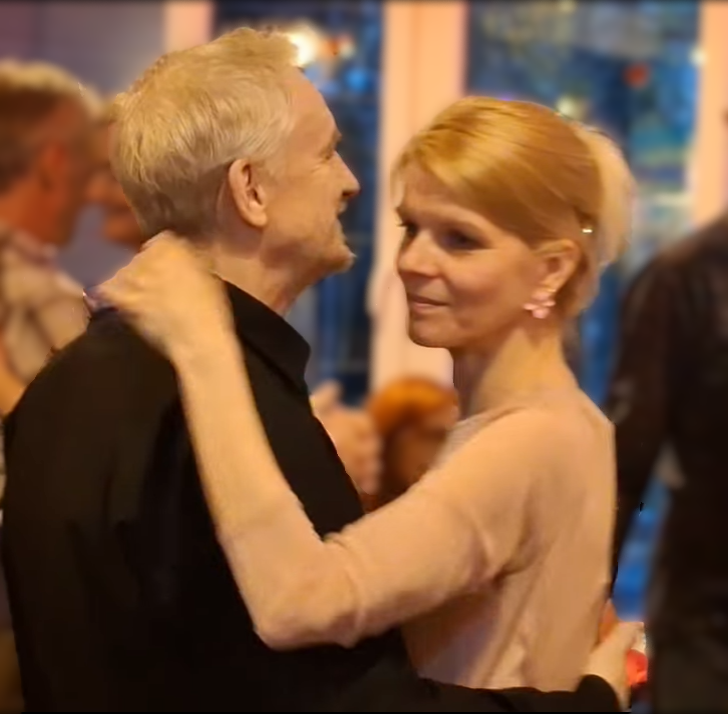
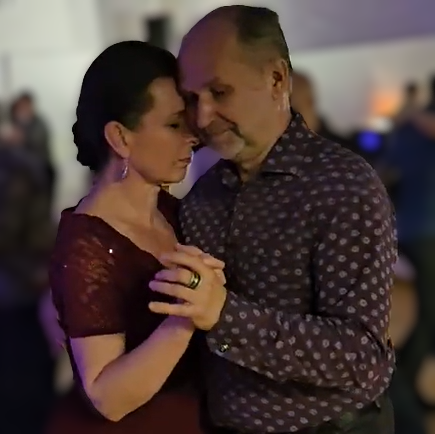
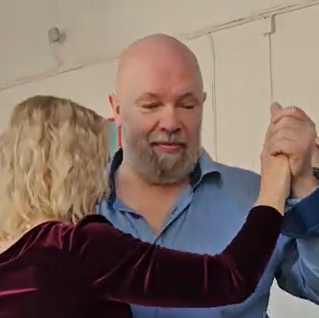
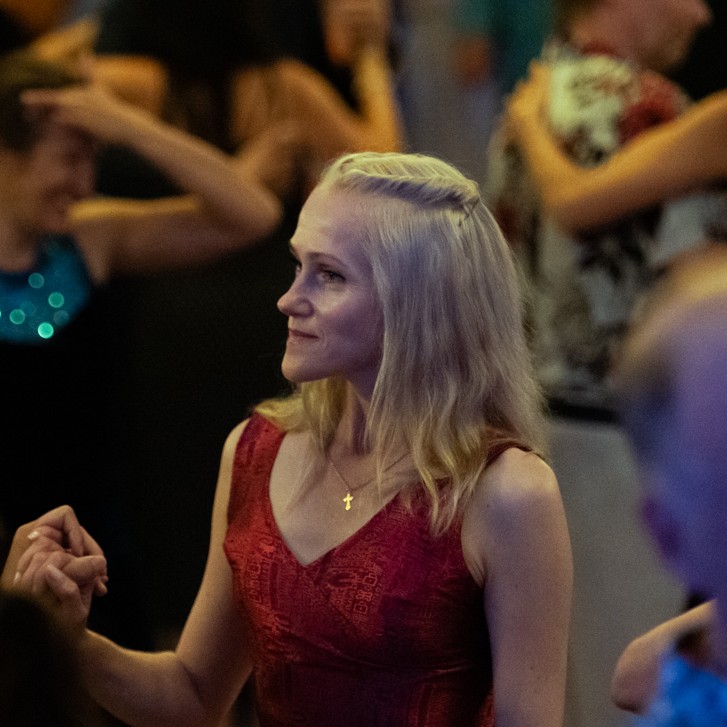
The heart and soul of the Tango Center are its teachers and assistants, as well as the many volunteers and students who love Argentine tango and share their passion with Estonia’s active tango community. We thank everyone whose dedication creates and sustains us!
Pictures: Michael Huang, Aleksander Laane, Kersti Sammal, Johanna Sandborg, Jouni Röksä, Finland.
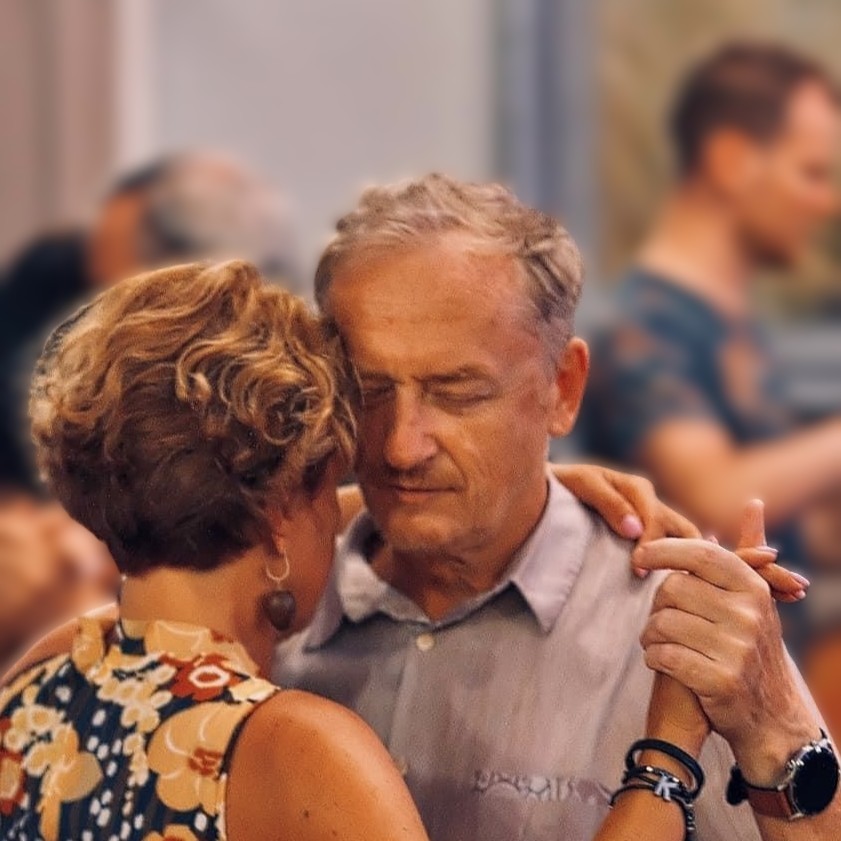
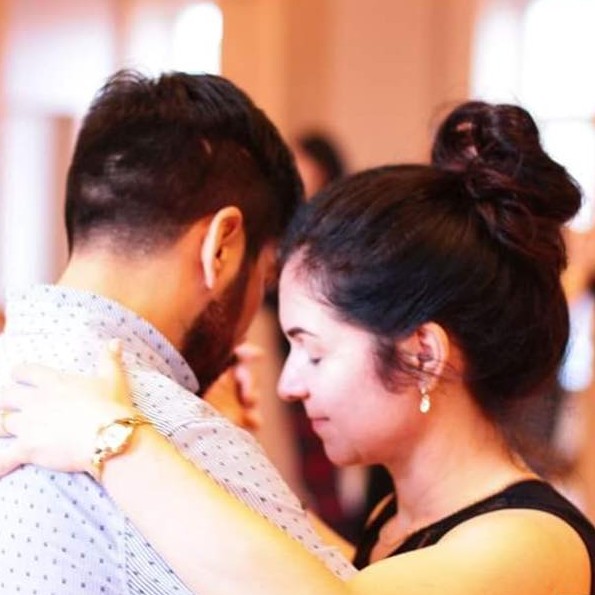
Argentine tango
Argentine tango is a style of tango dance and music that originated in late 19th-century Buenos Aires, Argentina. It is much more than just a dance—it is a cultural phenomenon that expresses passion, melancholy, and intimacy.
Today, Argentine tango is popular all over the world, and when traveling, you can dance at milongas (Argentine tango dance events) in nearly all major cities, as well as in unexpected small towns. Knowledge of the local language is not a barrier, as tango serves as a unique means of communication among tango enthusiasts.
Estonia also has an active and welcoming tango community, with milongas held regularly. Including tango classes, it is possible to dance tango somewhere in Estonia almost every day. The Estonian tango community also has close ties with tango enthusiasts in neighbouring countries, and tango events in Latvia, Lithuania, Finland and Poland are frequently visited.
Argentine tango enthusiasts often claim that tango is addictive, and at milongas, dancers seek to achieve a special state—or the so-called “tango high.” What exactly causes this special state and when it occurs often remains a mysterious enigma, but the “tango high” requires emotional connection with one’s dance partner and self-expression through shared dance improvisation while listening to the music together.
“The tango can be dramatic but never pessimistic, because while it reflects torment and passion, it also evokes nostalgia and hope. It is backbone, strength, character—an emotional, visceral dialogue that comes from afar, from ancient roots, and involves as much leading as being led, as well as tenderness and the responsibility to care for the other.”
(Pope Francis, Hope: The Autobiography (2025), Chapter 8.)